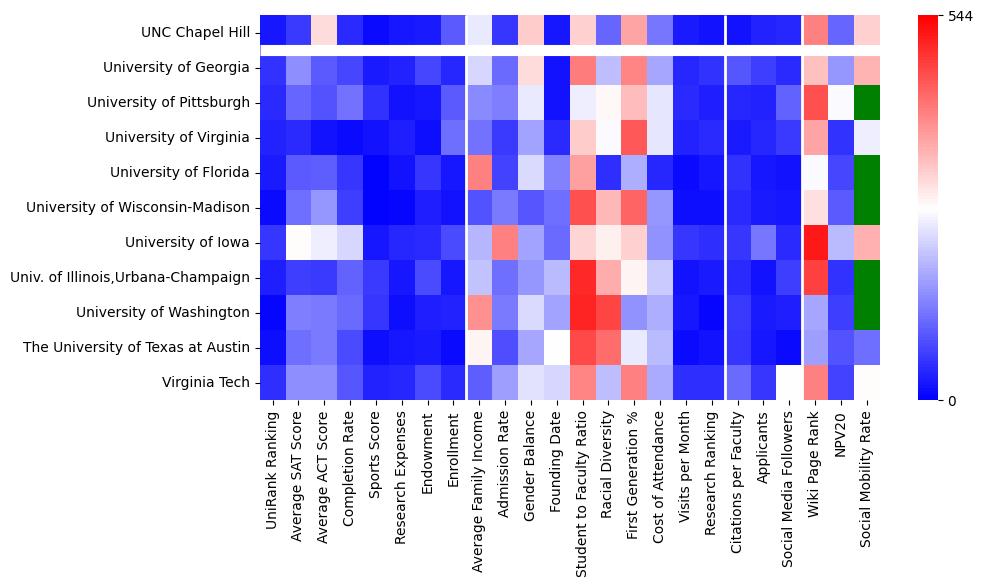
The University of North Carolina at Chapel Hill, founded in 1789, holds the distinction of being the first public university in the United States to open its doors and receive students. As one of the original eight Public Ivy institutions, UNC Chapel Hill has a long-standing reputation for excellence in higher education. Nestled in the beautiful town of Chapel Hill, the campus spans over 729 acres and is home to a vibrant student body of more than 30,000 undergraduate, graduate, and professional students. The university’s blend of historic charm and modern facilities creates an inspiring environment for learning and innovation.
What sets UNC Chapel Hill apart is its steadfast commitment to public service and affordability. The university is renowned for its Carolina Covenant program, which ensures that students from low-income backgrounds can graduate debt-free. This initiative underscores the university's dedication to accessibility and equity in education. Additionally, the school's vibrant campus life, with over 800 student organizations, fosters a strong sense of community and Tar Heel pride. The university's athletic teams, particularly in basketball, have achieved legendary status, further enhancing its spirited atmosphere.
Academically, UNC Chapel Hill is consistently ranked among the top public universities in the nation. The university offers over 70 bachelor’s degree programs, with standout departments including Business, Biology, and Media and Journalism. The Kenan-Flagler Business School is particularly noteworthy, frequently appearing in the top 20 nationwide for its undergraduate and MBA programs. The School of Law and the Gillings School of Global Public Health also enjoy high rankings, reflecting the university’s strength in a wide array of disciplines. Research is a cornerstone of the academic experience, with UNC Chapel Hill being a leader in fields such as health sciences, environmental studies, and social research.
Despite its many accolades, UNC Chapel Hill faces some challenges. The university has struggled with maintaining its infrastructure, with some facilities needing updates to better serve the student population. Additionally, while the university has made strides toward increasing diversity, there is ongoing work to be done to ensure a more inclusive environment for all students. Furthermore, like many large public universities, some students may find it challenging to access personalized attention in certain large lecture classes. However, the university continues to actively address these issues, striving to provide an exceptional educational experience for every student.